Summary:
- Most seniors in Singapore exercise far below recommended levels, with only a small fraction meeting HPB’s guidelines despite high awareness of health policies like Nutri-Grade and Healthier SG, according to SMU’s Centre for Research on Successful Ageing (ROSA).
- Research shows that age-friendly neighbourhoods – with accessible amenities, transport, eateries, and active third spaces – strongly influence seniors’ well-being, with social connections proving more impactful than living conditions.
- As Singapore moves toward super-aged status, ROSA aims to advance a "Blue Zone 3.0" by deepening understanding of how built and social environments can collectively support longer, healthier lives.
Around half of seniors in Singapore exercise for less than 30 minutes a week, suggests findings from a study released by the Singapore Management University (SMU) on 19 November.
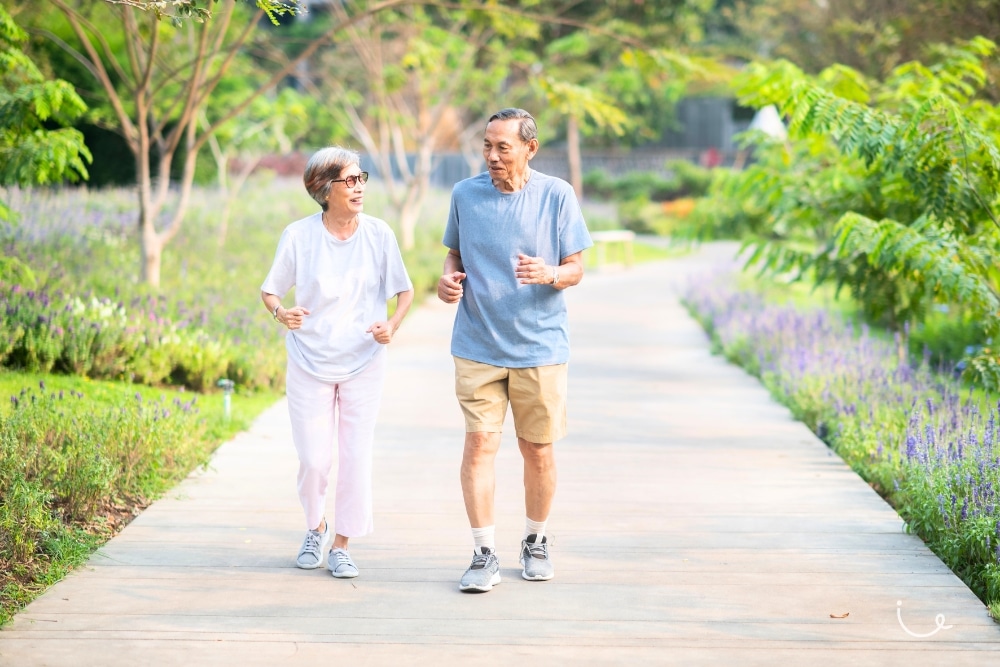
This is far below the Health Promotion Board’s (HPB) recommended dose of at least 150 minutes a week of moderate-intensity exercise, which refers to any physical activity rigorous enough to cause a slight increase in heart rate and breathing. This includes brisk-walking, swimming, and jogging.
How often do seniors in Singapore exercise?
Only about 9% of the 7,056 silvers in the SMU Centre for Research on Successful Ageing’s (ROSA) Singapore Life Panel (SLP) managed to hit HPB’s suggested amount of activity.
About 30% of the respondents – a nationally representative and demographically diverse sample aged between 50 and 80 – didn’t get any physical exercise at all.
Advertisement
The survey found a similar lacklustre level of enrolment for preventive healthcare initiative Healthier SG, as well as making healthier eating choices due to HPB’s Nutri-Grade labels, despite both policies receiving overwhelming support or awareness.
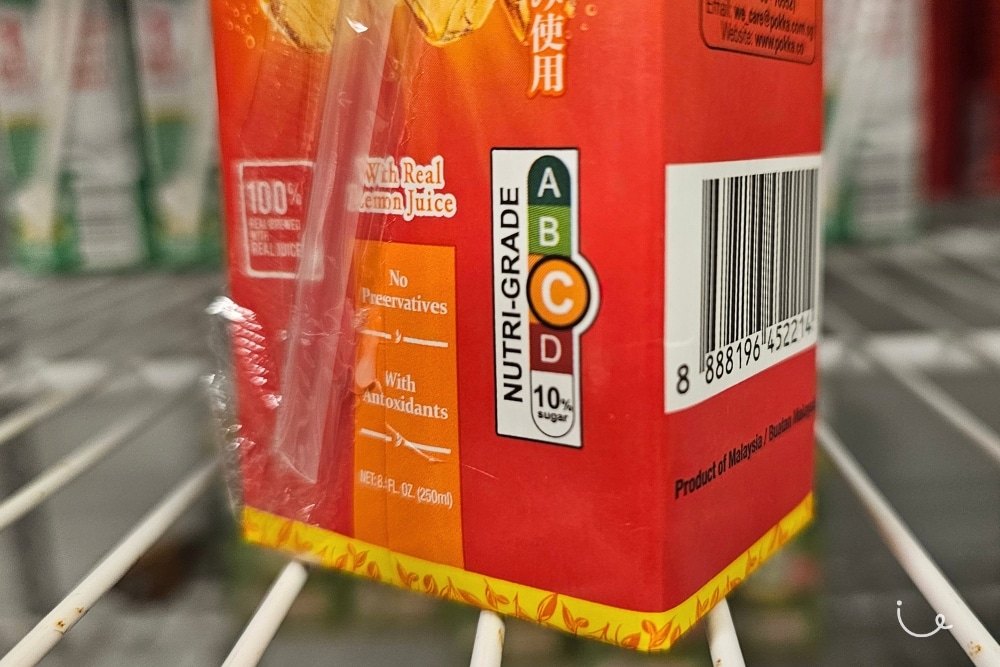
For example, while 82% of silvers were aware of the Nutri-Grade label on beverages, only about half of the respondents let it influence their choice of drinks to a moderate or large degree. One in five respondents didn’t let the label influence their choice at all.
This indicated that while national policies can educate and inform the society, factors like the built and social environment remain key influences in Singaporean seniors’ ageing journey, said Professor Paulin Straughan, director of ROSA, at its 5th annual symposium on Successful Ageing.
Creating age-friendly neighbourhoods is key
Building on last year’s findings that almost all Singaporean seniors prefer to age in place, ROSA’s latest annual report is themed Living Well: The Built, Lived, and Social Determinants of Well-being.
It revealed that the most important functional amenities to facilitate growing old at home include medical facilities, transportation options, eateries, and provision shops.
The professor also highlighted the importance of third spaces like community centres, active ageing centres, and open spaces like parks in enabling social connectivity.
These social connections, she said, serves a dual purpose of fostering “kampong spirit” across the neighbourhood and as a social nudge to reinforce healthy ageing policies.
In fact, the quality of relationships among neighbours was found to be a stronger positive influence on ageing-in-place and well-being than structural living conditions, like living alone.
In other words, creating a well-connected neighbourhood is key to ensuring the well-being of seniors in super-aged Singapore, especially in the face of shrinking families and falling birthrates.
Singapore is set to become a super-aged society next year, with more than one in five people here being aged 65 and older. This proportion will jump to one in four by 2030.
Also read:
Active Ageing Festival 2025 At One Holland Village: Wellness Talks, Health Booths And Community Fun
Discover the latest in healthy ageing, wellness, and eldercare at the Active Ageing Festival 2025, happening on 27 September at A Good Place @ One Holland Village.
The Silver Sensei Finding Balance In Teaching Aikido To Special Needs Kids
Silver sensei Patrick and Lily Chan discovered aikido late in life as a family. From learning to teaching this martial art, Lily also enjoyed a new lease of life with improved health due to practising this martial art regularly.
Continued research
ROSA will continue to explore the impact of built and social environments on senior well-being, in service of building a “Blue Zone 3.0”.
Blue Zone is a term made popular by American researcher Dan Buettner, and refers to geographical regions with a particularly high concentration of seniors with long lifespans and who are often in good health.
Dan had previously declared Singapore to be the first Blue Zone 2.0, where seniors achieve long and healthy lives due to an engineered environment (in Singapore’s case, mostly through government intervention) rather than through long-standing cultures and traditions, as it is with the original Blue Zones.
A Blue Zone 3.0 goes beyond the good already put in place by public policies, and allows the impact of built and social environments to flourish in the hands of private and community entities too.