Summary:
- Cosplay has grown from a niche fan activity into a global, multi-generational cultural movement that blends costume, performance, and online sharing, turning fandom into active creative participation.
- People cosplay to express creativity, explore identity and confidence, find community and belonging, and enjoy escapism, with social media transforming it into an always-on, sometimes professional, creative practice.
- In Singapore, cosplay is a vibrant and established part of pop culture with strong craftsmanship and community support, reflecting why cosplay matters as a meaningful form of self-expression, connection, and cultural engagement.
Cosplay – short for “costume play” – has evolved from a niche activity among fans of movies, video games, TV shows, comics, cartoons, and anime, into a global cultural movement.
Once associated mainly with comic conventions and anime gatherings, cosplay today spans age groups, industries, and platforms, appearing everywhere from shopping malls and community events to social media and international competitions.
Beyond just dressing up, cosplay is a form of creative expression, identity exploration, and community-building. It reflects how modern fandom has shifted from passive consumption to active participation.
What exactly is cosplay?
Cosplay involves dressing as a character from popular culture, including movies, television series, anime, manga, video games, comics, books, and even folklore. A cosplayer may recreate a character’s costume, hairstyle, makeup, and props, and sometimes even embody their personality or mannerisms.
Advertisement
Unlike a simple costume worn for a party, cosplay is often intentional and detailed. Many cosplayers spend weeks or months researching references, planning designs, and crafting outfits – either striving for screen accuracy or offering creative reinterpretations.
Cosplay is most visible at fan conventions and pop-culture events, but it also thrives online. Photoshoots, short-form videos, tutorials, and behind-the-scenes content have turned cosplay into an always-on creative culture with global reach.
Where did cosplay come from?
The practice of dressing as fictional characters can be traced back to early science-fiction conventions in the mid-20th century. The word “cosplay” was coined in Japan in the 1980s, where anime and manga culture helped popularise it as a mainstream fan activity.
As Japanese pop culture spread internationally – and as blockbuster film franchises and gaming communities grew – cosplay expanded worldwide. Social media later accelerated this growth, allowing cosplayers to share their work instantly and connect across borders. Today, cosplay is a global phenomenon.
Why do people cosplay?
- A love for stories and characters
At its heart, cosplay is driven by fandom. Many people cosplay to celebrate characters or stories that shaped their childhood, inspired them, or helped them through difficult periods. Wearing a character’s costume becomes a way of expressing admiration and emotional connection.
- Creativity and craftsmanship
Cosplay is widely regarded as a hands-on art form. It can involve sewing, foam and armour crafting, prop-making, wig styling, makeup, electronics, and even 3D printing. Some cosplayers build everything from scratch while others customise ready-made pieces.
For many, the creative process is as meaningful as the final result. Cosplay allows people to blend fashion, design, engineering, and storytelling in ways few other hobbies do.
- Confidence and identity exploration
Cosplay can be empowering. Wearing a costume allows people to step outside everyday expectations and explore confidence, gender expression, or different facets of their personality. Shy individuals often report feeling more confident in costume, while others appreciate the freedom to experiment with identity in a non-judgmental space.
A core value within cosplay culture is that anyone can cosplay any character, regardless of age, body type, gender, or background.
- Community and belonging
Cosplay is deeply social. Conventions and online platforms provide spaces where fans meet others who share their interests. Friendships, collaborations, and even careers often grow from cosplay communities. For many, cosplay offers a sense of belonging that may be hard to find elsewhere.
- Escapism and stress relief
Cosplay also offers a break from everyday pressures. Immersing oneself in a fictional role can be a form of escapism, allowing people to relax, play, and reconnect with joy in a structured but imaginative way.
- The role of social media
Social media has transformed cosplay from an event-based hobby into a continuous creative practice. Platforms like Instagram, TikTok, YouTube, and Twitch allow cosplayers to share progress updates, tutorials, skits, and photos with large audiences.
This visibility has helped normalise cosplay and attract newcomers. It has also opened doors to monetisation, with some cosplayers becoming content creators, brand collaborators, photographers, or costume designers.
- Cosplay as performance
For some, cosplay goes beyond visual accuracy. Performance-oriented cosplayers act in character through poses, skits, or short films. Many cosplay competitions judge not only craftsmanship but also stage presence and storytelling.
This performative element places cosplay at the intersection of theatre, fashion, and fan culture.
Is cosplay only for the young?
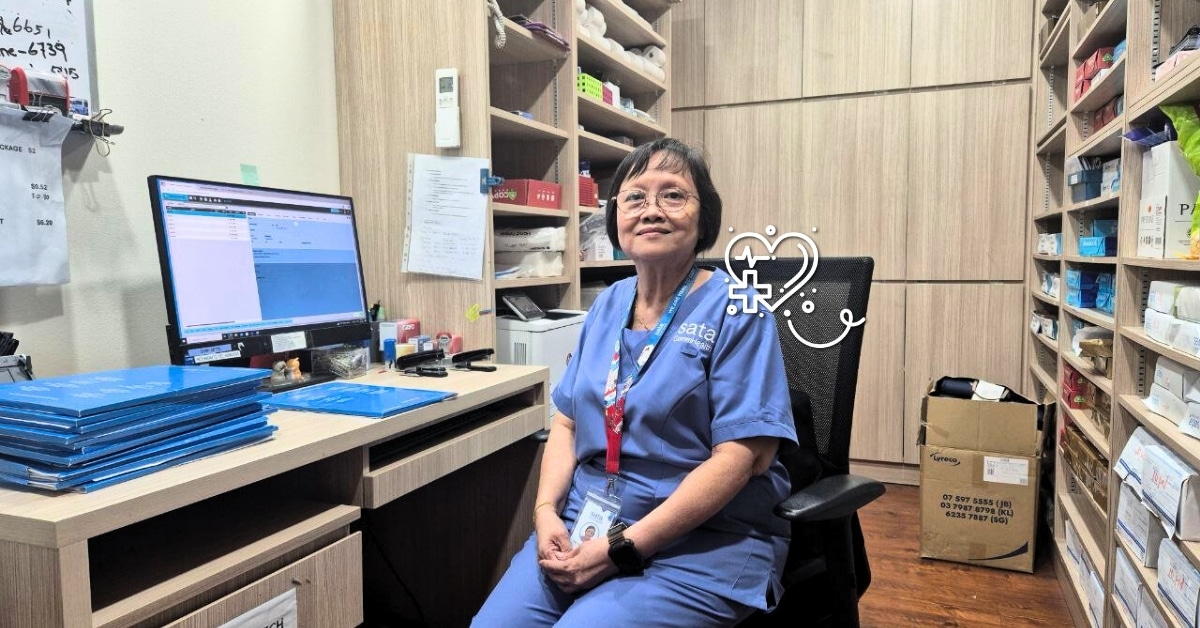
Despite common stereotypes, cosplay is not limited to teenagers or young adults. Many cosplayers are adults and seniors – fans who grew up with early anime, sci-fi films, or video games.
As pop culture ages with its audience, cosplay increasingly reflects multi-generational fandoms. Parents cosplay with children, while older fans reinterpret characters in ways that feel authentic to their stage of life.
The state of cosplay in Singapore
Cosplay in Singapore has grown significantly over the past decade and is now firmly part of the city-state’s pop culture landscape. Large-scale events such as Anime Festival Asia Singapore and Singapore Comic Con attract tens of thousands of attendees, with cosplay as a major draw.
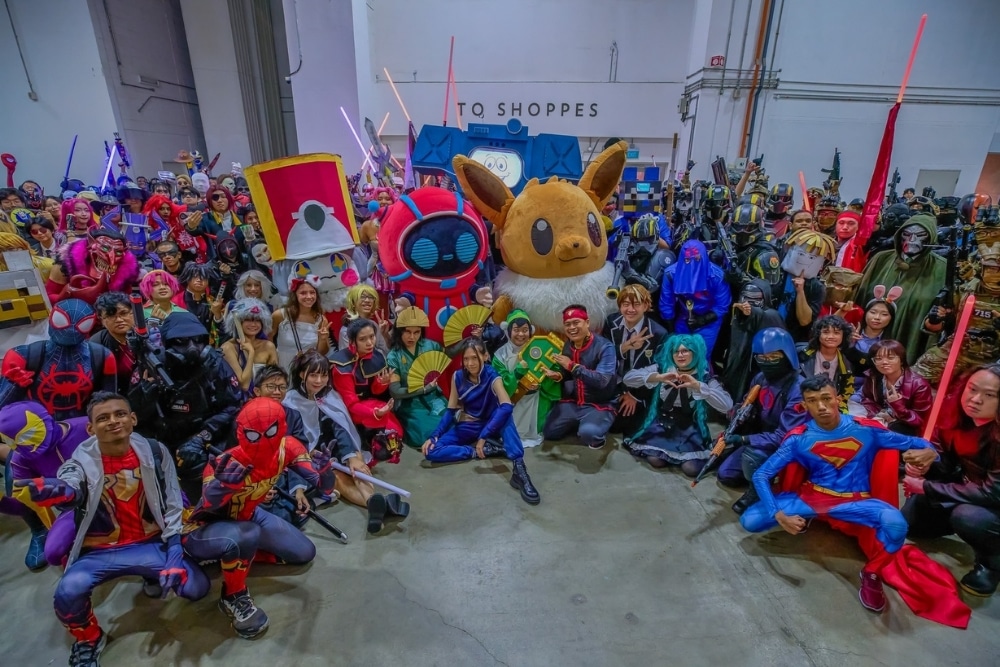
Cosplayers at the Singapore Comic Con 2025, held at the Marina Bay Sands Expo & Convention Centre
Beyond flagship conventions, a steady stream of smaller anime, gaming, and pop culture events provides regular opportunities for cosplayers to gather, collaborate, and showcase their work. This frequency has helped sustain an active and visible community.
The quality of local cosplay has also risen. Many Singapore-based cosplayers are known for high levels of craftsmanship, photography, and performance, with some gaining regional or international recognition. A small number have turned cosplay into freelance or part-time work through commissions, photoshoots, workshops, or brand collaborations.
At the same time, the scene faces challenges common to growing communities: crowd management at large events, issues around consent and safety, and debates over commercialisation versus community spirit. As cosplay becomes more mainstream, organisers and participants alike continue working to balance inclusivity, creativity, and sustainability.
Why cosplay matters
Cosplay represents a shift in how people engage with culture. It turns fans into creators and transforms stories into shared, participatory experiences. It encourages creativity, builds community, and challenges assumptions about age, identity, and self-expression.
In a world that often feels digitally disconnected, cosplay offers something tangible – making things with your hands, meeting people face-to-face, and finding joy in shared imagination.
Cosplay may look like dress-up on the surface, but its appeal runs deeper. It speaks to a fundamental human desire to create, belong, and be seen. As pop culture continues to shape modern identity, cosplay is likely to remain not just a trend, but a meaningful and enduring cultural practice.
Watch:
We experienced cosplaying for ourselves! Check out the video below – part of our Silvers Retryment Diary series – to get a sense of what it’s like to be part of cosplay culture.